
- Research suggests the global sustainable pet products market is valued at around USD 35 billion in 2024, with projections for steady growth at about 7-8% annually through 2034, driven by heightened environmental awareness among pet owners.
- Surveys indicate that over 75% of US consumers prioritize sustainability in their lifestyles, extending this to pet care, where more than 60% seek brands that minimize ecological impact, though skepticism about green claims persists in around 65% of buyers.
- Trends show a preference for biodegradable, recycled, and plant-based materials in products like food, accessories, and bedding, with pet humanization—viewing pets as family—boosting willingness to pay premiums for ethical options.
- Regional variations highlight strong demand in North America and Europe, while emerging markets in Asia-Pacific are catching up, influenced by urbanization and e-commerce.
- Challenges include price sensitivity and the need for transparent certifications, but opportunities in innovations like zero-waste initiatives could double market value by 2035.
Market Growth and Drivers
The eco-friendly pet products sector appears poised for significant expansion, reflecting broader societal shifts toward sustainability. As pet ownership rises globally—over 90 million US households alone—consumers increasingly align purchases with environmental values. This trend, often linked to “pet humanization,” encourages higher spending on premium, green goods.
Consumer Behavior Insights
Evidence leans toward pet owners favoring responsibly sourced items, with many willing to pay more for sustainable packaging and ingredients. However, doubts about company claims underscore the importance of credible certifications to build trust.
Popular Product Examples
Innovations such as upcycled toys, natural bedding, and alternative proteins are gaining traction, reshaping retail strategies toward circular economies.
In an era where environmental consciousness is at the forefront of consumer decisions, the pet industry is undergoing a profound transformation. The title “Sustainability Sells” encapsulates this shift, as eco-friendly pet products not only appeal to ethical buyers but also drive substantial market growth. According to recent analyses, the global sustainable pet products market was valued at approximately USD 35.1 billion in 2024, with forecasts indicating a compound annual growth rate (CAGR) of 7.6% from 2025 to 2034. This expansion is propelled by increasing awareness of climate issues, rising disposable incomes, and innovations in materials and packaging that emphasize recycling and upcycling.
Consumer demand plays a central role in this evolution. Surveys reveal that about 78% of US consumers view sustainable lifestyles as important, a sentiment that extends to pet care. Specifically, 61% of pet food buyers in the US desire brands that actively reduce environmental impact, and over 55% are prepared to pay premiums for products with eco-friendly features. In the Asia-Pacific region, countries like India and Indonesia show even higher prioritization of green practices, ranking them among the top factors in purchasing decisions—surpassing global averages at 13% and 11%, respectively. Yet, skepticism remains a barrier; globally, 65% of pet owners question sustainability assertions from companies, and 14% perceive terms like “organic” and “natural” as justifications for higher prices. To address this, certifications such as those from the Marine Stewardship Council for sustainably sourced fish have contributed to a 9.2% year-over-year sales increase in related categories.
Market segmentation offers deeper insights into demand patterns. Pet food leads with a 39.6% share in 2024, projected to grow at over 8% CAGR, fueled by preferences for organic, plant-based, and insect-based formulations that prioritize clean labeling and nutritional benefits. Accessories, grooming products, apparel, and bedding follow closely, with advancements like biodegradable waste bags and recycled toys capturing consumer interest. By pet type, dogs dominate at 37.4% market share, expected to exceed 8.2% CAGR, owing to widespread ownership (around 50% in key markets) and specialized offerings like functional foods. Cats, birds, small animals, fish, reptiles, and exotics comprise the remainder, with small animals particularly benefiting from trends in eco-bedding.
| Market Segment | 2024 Share (%) | Projected CAGR (2025-2034) |
|---|---|---|
| Pet Food | 39.6 | >8% |
| Accessories | 25.2 | 7.5% |
| Care Products | 18.4 | 7.2% |
| Apparel & Bedding | 16.8 | 8.1% |
| Dogs | 37.4 | >8.2% |
| Cats | 28.6 | 7.8% |
| Others | 34.0 | 7.0% |
Distribution channels further influence accessibility and growth. Offline retail commanded 56.7% of the market in 2024, expanding at over 7% CAGR, as buyers appreciate hands-on evaluations and in-store trust-building. Online platforms are surging, accounting for 44% of purchases—a 12.1% rise year-over-year—thanks to omnichannel approaches that combine convenience with educational content.
Regionally, North America spearheads the market, with the US projected to reach USD 14.9 billion by 2034, supported by high pet ownership rates (70% of households), strong environmental ethos, and advanced e-commerce infrastructure. Europe, especially the UK and Germany, is close behind; Germany’s pet market stood at USD 6.81 billion in 2023 and is anticipated to hit USD 8.4 billion by 2029, with 45% of households owning pets and a focus on organic and biodegradable items. In Asia-Pacific, Japan, China, India, and South Korea are accelerating demand for natural grooming and waste management solutions, aided by urbanization and digital retail growth. The Middle East and Africa, particularly the UAE, exhibit potential due to increasing incomes, expatriate influences, and green policy commitments.
Key drivers include evolving perceptions amid climate concerns, ethical standards like cruelty-free and low-emission practices, and breakthroughs such as refillable packaging and upcycled toys. For example, upcycled ingredients in pet food have experienced over 30% growth, while sustainable packaging shows 18.6% annual increases. Alternative proteins, including salmon, liver, and exotic options, are outperforming traditional ones, aligning with holistic health trends where fresh formats grow at 18.2% and human-grade products at nearly 20%.
Brands are innovating to meet this demand. For instance, companies like Brentwood Home and Avocado Mattress offer orthopedic dog beds crafted from natural, recycled materials, emphasizing comfort and sustainability. Similarly, LEUPET stands out with its range of eco-friendly pet beds made from high-quality recycled fabrics and biodegradable components, leveraging a robust supply chain to ensure durability and environmental responsibility. These beds provide pets with cozy, supportive resting spaces while minimizing ecological footprints.
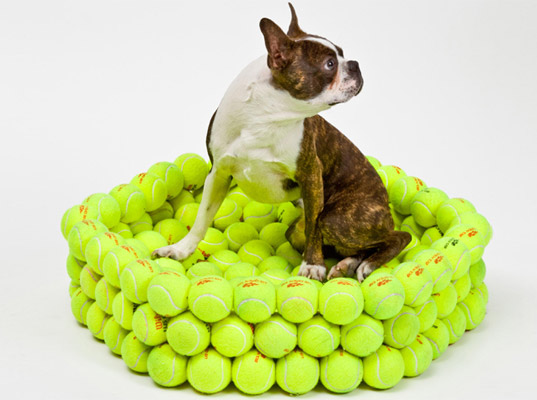

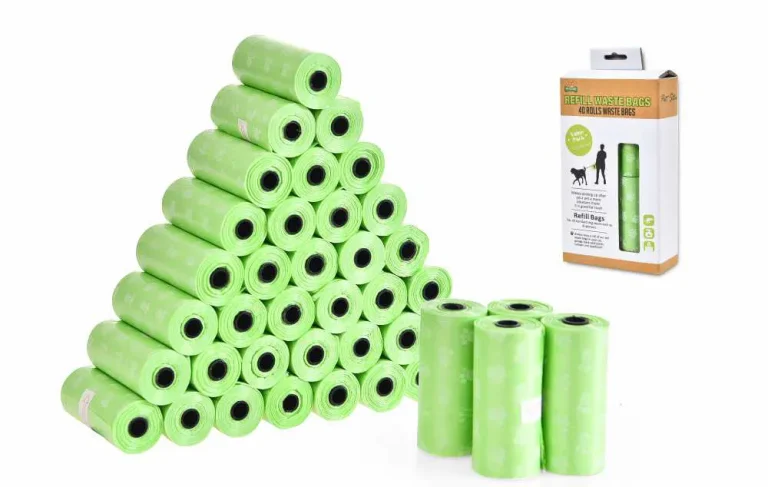
Other trending products include vegan leather harnesses, natural chew toys, certified biodegradable poop bags, recycled paper pellet bedding, and plant-based foods. Brands specializing in circular economies—featuring recyclable packaging and carbon-neutral operations—are fostering customer loyalty. Recent platform discussions spotlight innovations like seaweed-based alternatives that address animal welfare and reduce emissions, potentially sparing millions of animals annually while appealing to eco-conscious tastes.

For visual insights into these trends, consider watching this video on pet market trends for 2025: [Cracking the $150B Pet Market: What Works in 2025]. Another informative clip covers trends from Global Pet Expo 2025: [Trends seen at Global Pet Expo 2025].
Challenges abound, including economic factors that might prioritize basic pet needs over green alternatives, and the necessity for clear labeling to combat confusion from ambiguous claims like “Good For Earth.” Nevertheless, the industry is adapting through partnerships for recycling programs and enhanced certifications to bolster credibility.
Looking ahead, the pet care sector’s resilience—often considered recession-proof—positions it for ongoing innovation. By 2035, the eco-friendly segment could reach USD 85.9 billion, with emphases on zero-waste and smart packaging integrating technology for better engagement. In regions like APAC, even niche markets such as pet cooling products are expected to surpass 5 billion yuan in three years, merging sustainability with cutting-edge design.
This demand-driven reshaping signifies a maturing industry where sustainability is essential for competitiveness. As global pet ownership climbs, businesses investing in green practices, like LEUPET with its sustainable pet beds, are well-placed to capture expanding shares. Contact LEUPET today to explore how our eco-friendly pet bed solutions can provide comfort for your furry friends while contributing to a healthier planet.
Overall, the surge in eco-friendly pet products mirrors wider societal changes, promoting ethical ownership and behavioral shifts amplified by social media and influencers. This not only reduces carbon footprints through options like plant-based alternatives and ethical sourcing but also fosters a more conscious future for pet care.
**Key Citations:**
– [Cracking the $150B Pet Market: What Works in 2025 – YouTube]
– [Trends seen at Global Pet Expo 2025 – YouTube]
– [Trends seen at Global Pet Expo 2025 | Pet Food Processing]
– [30+ BEST Pet Products To Dropship To Sell In 2025 – YouTube]
– [Top trends from SUPERZOO 2025 – Pet Food Processing]
– [Videos | Pet Food Processing]
– [Sustainable innovation in the pet food industry – YouTube]
– [Trends seen at Global Pet Expo 2025 – Facebook]
– [7 Top Pet Industry Trends (2025 & 2026) – Exploding Topics]
– [Top 7 Trending Pet Products for Dropshipping in 2025]
– [7 Best Orthopedic Dog Beds Made With Natural Materials]
– [The Best Organic Pet Bed Brands 2025 | PrettyOrganicGirl]
– [Sustainable Dog Beds: The Ultimate Guide – The Kind Pet]